
ローム株式会社
ローム株式会社は、特許を活用した先進技術で市場をリードする企業です。自動車や産業機器向けのLSI製品を中心に、パワーデバイスやモジュール技術を駆使して、持続可能な社会の実現に貢献しています。常に革新を追求し、世界市場での競争力を高め続けています。
特許を駆使して業界の先頭を走る企業の戦略


ローム株式会社は、特許を活用した先進技術で市場をリードする企業です。自動車や産業機器向けのLSI製品を中心に、パワーデバイスやモジュール技術を駆使して、持続可能な社会の実現に貢献しています。常に革新を追求し、世界市場での競争力を高め続けています。

古河電気工業株式会社は、特許技術を活用し、さまざまな事業分野で市場をリードする企業です。光通信技術やエネルギーインフラ、自動車部品、エレクトロニクス材料など、多様な製品群を通じて、社会課題の解決に貢献しています。革新を追求し、グローバル市場での競争力を高め続けています。

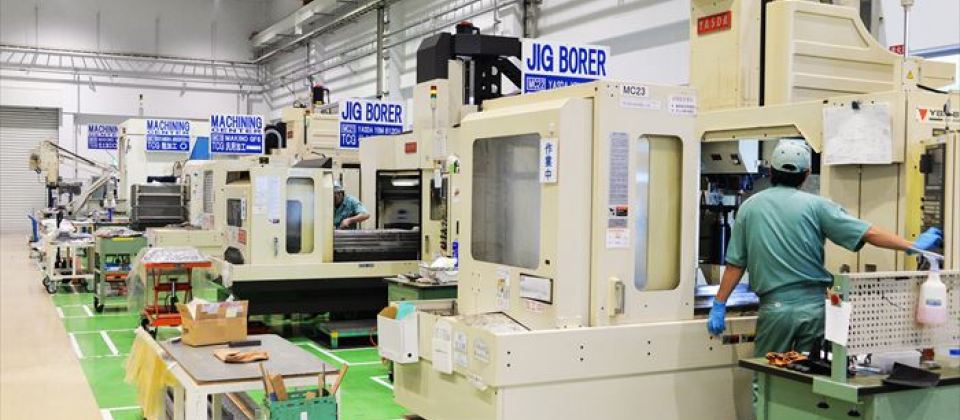
特許を保有する企業は、その技術力と競争力を強みに市場で大きな影響力を持ちます。新亜光学工業株式会社もその一つで、数多くの特許を取得し、それらを有効活用することで市場での優位性を確立しています。特許戦略が企業の成長を支える重要な要素となっているのです。

特許を取得することは、企業が競争力を高め、市場シェアを拡大するための重要な手段です。特許によって保護される技術や製品は、他社が容易に模倣できないため、企業にとって大きな競争優位性をもたらします。また、特許取得は企業のイノベーション力を証明し、取引先や投資家に対して信頼性を高める役割も果たします。このように、特許は市場での地位を強化するための重要な要素であり、企業は特許戦略を駆使して業界でリーダーシップを確立しています。
特許を活用することで、企業は独自技術による市場支配を実現できます。他社が簡単に真似できない独自の技術や製品を持つことで、その分野において圧倒的な競争力を発揮し、市場シェアの拡大が可能です。たとえば、ハイテク産業や医薬品業界では、技術革新が日進月歩で進んでおり、新しい技術をいかに早く特許で保護するかが企業の成長を左右します。独自技術を持つ企業は、特許を取得することで競合他社からの模倣を防ぎ、長期的に市場をリードできます。
特許を複数取得し、ポートフォリオとして管理することは、企業にとって大きな資産となります。特に、関連する技術や分野にわたって複数の特許を取得することで、より強力な防御体制の構築が可能です。このような特許ポートフォリオを活用して、他企業にライセンス供与を行うことで、直接的な収益を得られるだけでなく、業界全体での影響力を高められます。特許ライセンスを通じた収益化は、多くの企業が特許戦略を進化させる一環として取り入れており、これが市場シェア拡大に貢献しています。
特許は、企業が市場において競争優位を保つために重要な参入障壁を築く手段となります。特許によって保護される技術は、他社が同様の製品を開発する際に障害となり、新規参入者が市場に参入するのを防ぐ効果があります。これにより、既存企業は自社の市場シェアを守りつつ、競合他社との競争を優位に進められます。特に、高度な技術が要求される産業では、特許によって築かれた参入障壁が市場における競争の主軸となっており、これが長期的な成功につながるのです。
特許を取得する際には、国内だけでなく国際的な展開も重要です。特に、企業がグローバル市場でのシェアを拡大するためには、各国での特許取得が必要となります。国際特許を活用することで、他国の企業が同じ技術を使用するのを防ぎ、海外市場でも競争優位を確立できます。国際的な特許ネットワークを構築することで、企業は新興国市場や先進国市場においても強力な地位を築き、市場シェアの拡大が可能です。
特許技術は、企業の製品開発において重要な役割を果たします。特許によって保護された技術を活用することで、企業は独自の製品を市場に投入し、競争力を高められます。特許技術を基盤にした製品開発は、技術的優位性を持つだけでなく、消費者にとっても魅力的な価値の提供が可能です。また、特許技術を活かした製品は、企業のブランド力を強化し、市場における独自性を確立する要因となります。
特許技術は、製品開発におけるイノベーションの基盤として機能します。新しい技術が特許によって保護されることで、他社がその技術を模倣できなくなり、企業は安心して革新的な製品を開発できます。たとえば、自動車産業やエレクトロニクス分野では、特許技術が新しい製品ラインの構築に不可欠です。これにより、競争相手との差別化が図られ、独自の技術を基にした製品が市場に投入されることになります。
自社で開発した特許技術を他社にライセンス供与することで、企業は他の企業との協力を通じて製品の強化が可能です。特に、複数の企業が協力して製品開発を進める場合、各社が保有する特許技術を共有することで、より革新的で市場価値の高い製品を生み出せます。特許技術のライセンス契約は、他企業との提携を強化し、製品開発の幅を広げる手段として広く活用されています。
特許技術を用いた製品は、その独自性を強調するために効果的なマーケティング戦略が必要です。消費者に対して「特許取得済み技術」をアピールすることで、製品の信頼性や技術力の高さを示し、購買意欲を高められます。たとえば、医療機器や化粧品業界では、特許技術を前面に出した広告や宣伝が成功のカギとなります。特許技術を活用することで、製品の差別化が図られ、競合他社との競争において有利に立てます。
特許技術を基盤に製品を開発するだけでなく、製品の持続的な改良にも特許が活用されます。特許技術を活用して製品を継続的に改良し、新しい特許を取得することで、製品の進化を促進します。このようにして、企業は市場の変化や消費者のニーズに応じたアップデートを行い、製品のライフサイクルを延ばせます。特に、テクノロジーやハイテク産業においては、このプロセスが競争優位を維持するための重要な要素となります。
特許は企業が競争優位を確立するための重要な戦略資産です。特許管理の適切な運用は、単に技術を保護するだけでなく、企業が市場での地位を強化し、競争力を維持するための強力な手段となります。特許管理を通じて、企業は技術革新を促進し、競争相手に対する優位性を保てます。また、特許戦略を適切に設計することで、事業の持続的成長を支えられます。
競争優位を確立するためには、特許の戦略的な取得が不可欠です。企業は自社の事業展開にとって重要な技術分野や市場ニーズを見極め、そこに対する特許取得を進めます。これにより、競争相手に対する技術的優位性を確保でき、模倣や侵害から自社の技術を守れます。特許取得は、企業が市場でリーダーシップを維持し、新しいビジネスチャンスを創出するための基盤となります。
特許ポートフォリオを最適化することは、企業が技術的競争力を保つための重要な要素です。特許ポートフォリオとは、企業が保有する特許の集合体であり、これを適切に管理することで、競争相手に対する強力な防御策を講じられます。また、特許ポートフォリオの拡充や見直しを行うことで、企業は技術分野の変化に対応し、常に最新の技術トレンドに基づいた製品開発を進められます。
特許管理において重要なのは、特許侵害への対応です。他社が自社の特許を侵害した場合、迅速かつ適切な対応が求められます。法的措置やライセンス交渉を通じて、特許権を守ることで、競争相手に対する優位性を確保できます。また、企業は自社の特許が侵害されないよう、特許クリアランスを定期的に行うことも重要です。これにより、自社が無意識に他社の特許を侵害するリスクを回避し、法的トラブルを未然に防げます。
特許管理の一環として、ライセンスを活用することも重要です。企業は自社が保有する特許技術を他社にライセンス供与することで、直接的な収益を得られます。また、ライセンス戦略を通じて、業界全体に自社の技術を普及させることも可能です。これにより、自社技術が業界標準として認知される場合もあり、さらなる競争優位を確立できます。特許ライセンスは、企業の資産を最大限に活用し、収益を向上させるための重要な手段です。
持続的な成長を続ける新亜光学工業株式会社。最新の技術を駆使し、業界全体に影響を与える革新をリード。